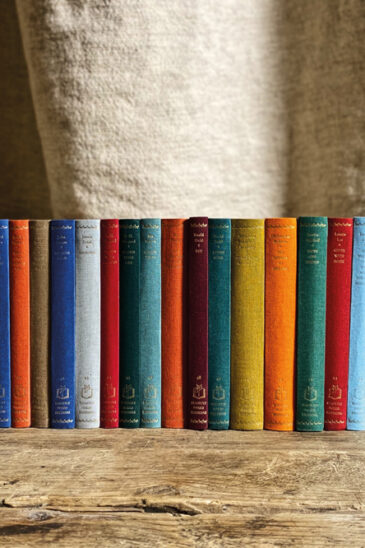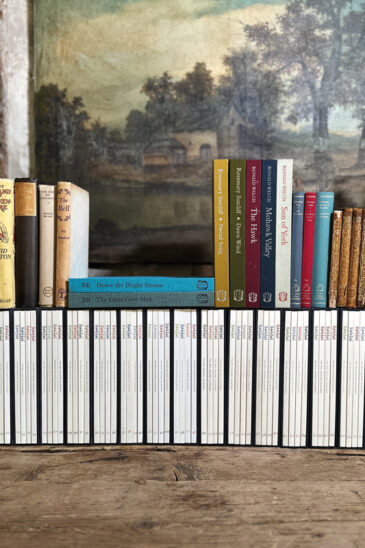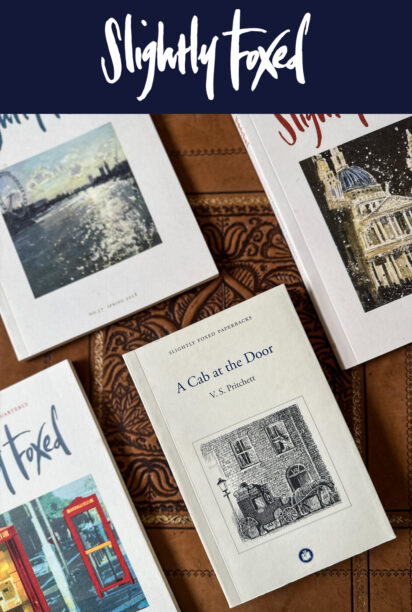




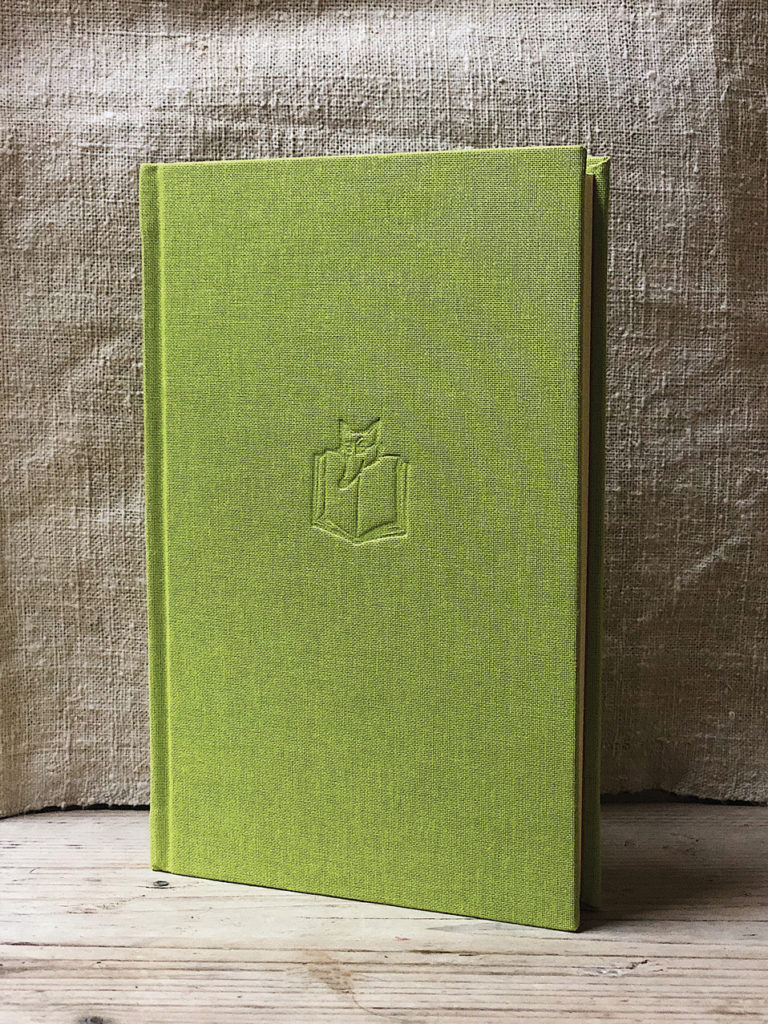
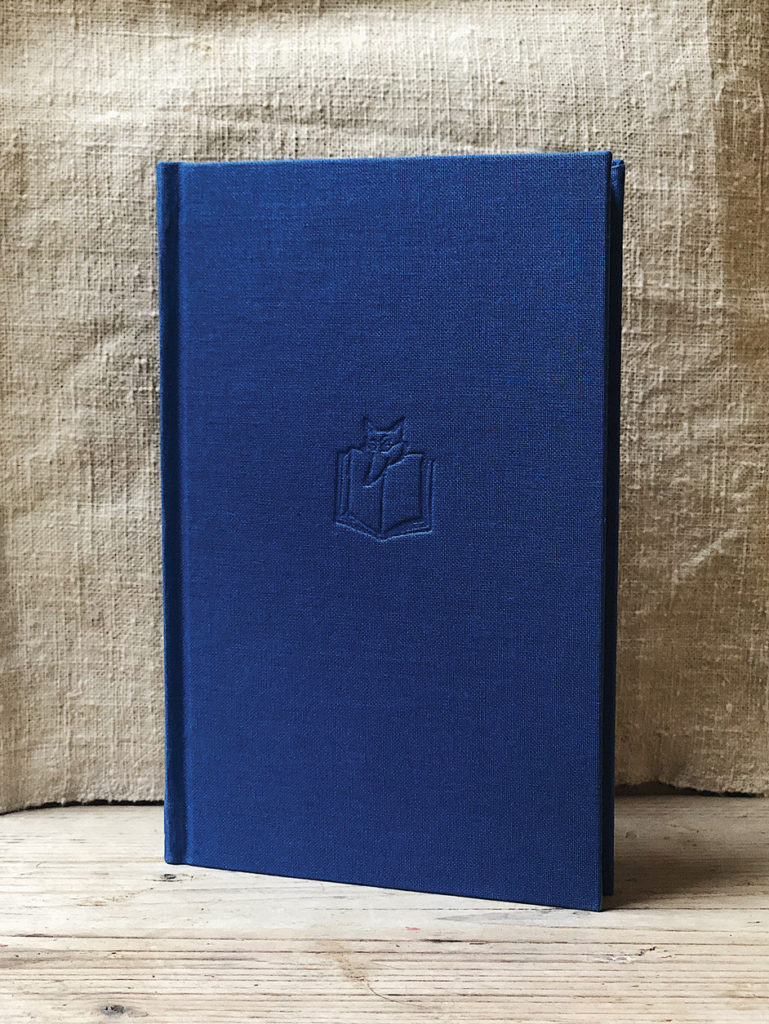
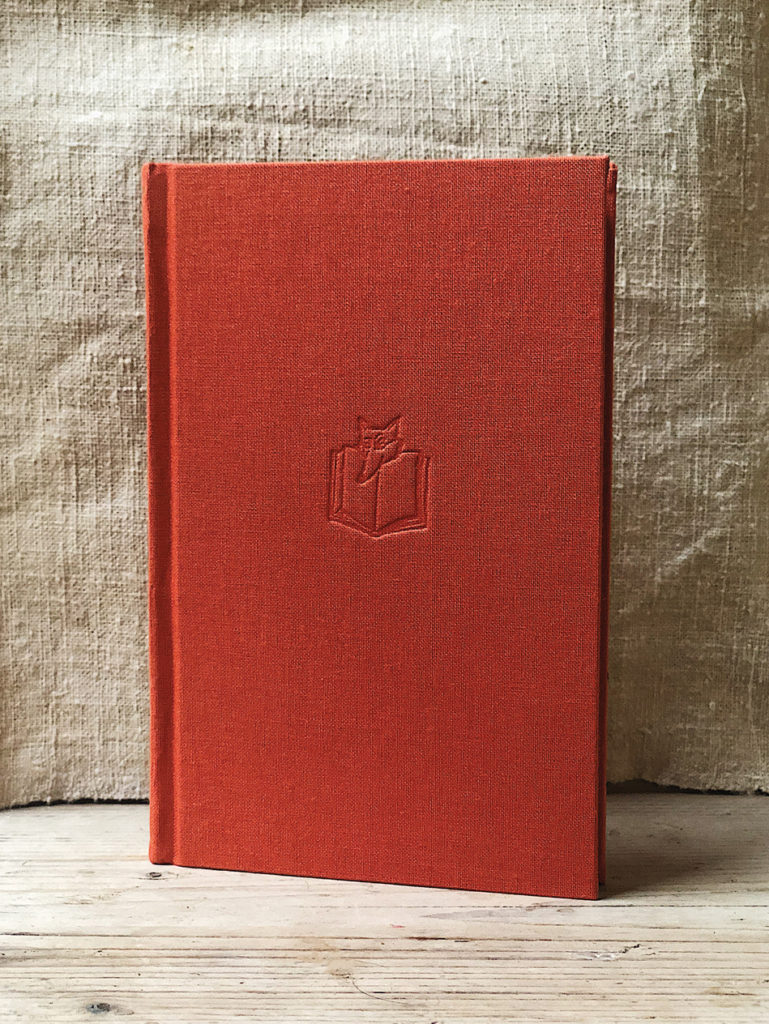
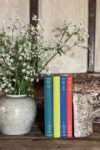
The chance to collect the earliest four available hand-numbered Slightly Foxed Editions, limited to 2,000 copies of each title.
Michael Holroyd, Basil Street Blues
Well-known for his frank biographies of such controversial figures as Augustus John and Lytton Strachey, Holroyd teases out the story of his own distinctly problematic family in this delightful and original book. His volatile father, always busy with his own enterprises, and his glamorous Swedish mother with her succession of exotic husbands, had only walkon parts in his life. It was only after both his parents had died that he was overcome by a desire to find the ‘connecting story’ which his fragmented childhood had so lacked. The result is a very personal detective story, subtle, funny and poignant.
Diana Petre, The Secret Orchard of Roger Ackerley
Diana and her twin sisters grew up in Barnes, South London, in the care of an elderly housekeeper, having been abandoned in 1912 by their mother, the enigmatic Mrs Muriel Perry, whose real name and true identity were a mystery. After an absence of ten years, Muriel reappeared and took charge of her children, with disastrous results. For the girls, one of the highlights of their isolated lives were visits from a kindly man they knew as ‘Uncle Bodger’. In fact, as Muriel finally revealed, he was their father, Roger Ackerley.
Richard Hillary, The Last Enemy
Richard Hillary was a charming, good-looking and rather arrogant young man, fresh from public school and Oxford, when, like many of his friends, he abandoned university to train as a pilot on the outbreak of war. At the flying training school, meeting men who hadn’t enjoyed the same gilded youth as he had, Hillary’s view of the world, and of himself, began to change. In 1940, during the Battle of Britain, he shot down five German aircraft and was finally shot down in flames himself, sustaining terrible burns to his face and hands. With its raw honesty, lack of self-pity and its gripping and terrifying accounts of aerial combat and the psychological aftermath, The Last Enemy is a wartime classic, the harrowing story of a carefree young man who, like many others, was suddenly and cruelly forced to grow up.
Erich Kästner, When I Was a Little Boy
Erich Kästner, author of the immortal children’s book Emil and the Detectives, was born at the end of the nineteenth century in Dresden – that ‘wonderful city full of art and history’ which was razed to the ground by the Allies in 1945. Erich’s gentle father Emil, a master-saddler, and his mother Ida, an intelligent woman who set up as a hairdresser, had come to Dresden from small-town Saxony. Times were tough, and Erich grew up in a tenement flat at the shabby end of a long street called the Königsbrücker Strasse. Yet the book shines with the everyday happiness of a young boy’s life in a close-knit, hardworking family, set against the backdrop of the ancient city with its baroque buildings, its parades before the Kaiser, its trams and glittering Christmas shops. When I Was a Little Boy is an affecting picture of both Erich’s childhood and the city he never ceased to mourn.